
The park is Tanzania’s fourth largest at 2795 square miles (4471 square kms). While no scenery in Africa is boring, it is less spectacular than the Serengeti, until you get a glimpse of the park’s residents. Abundant throughout the year, the park’s rich wildlife population concentrates in spectacular number and variety when water sources recede during dry season. Elephant, giraffe, zebra, lion, eland, gazelle, and many more can be seen, as well as over 400 bird species.Â
The feather in Katavi’s wildlife-viewing cap, though, is certainly the hippo pools. As the dry season goes on, water recedes further and further, forcing hippos to gather in ever-tighter spaces. The famously aggressive animals can only take so much close contact, and fights and rivalries between male hippos are frequent and bloody. This rare (in other parks) scene is a unique opportunity to view the raw power of some of Tanzania’s most notorious animals.
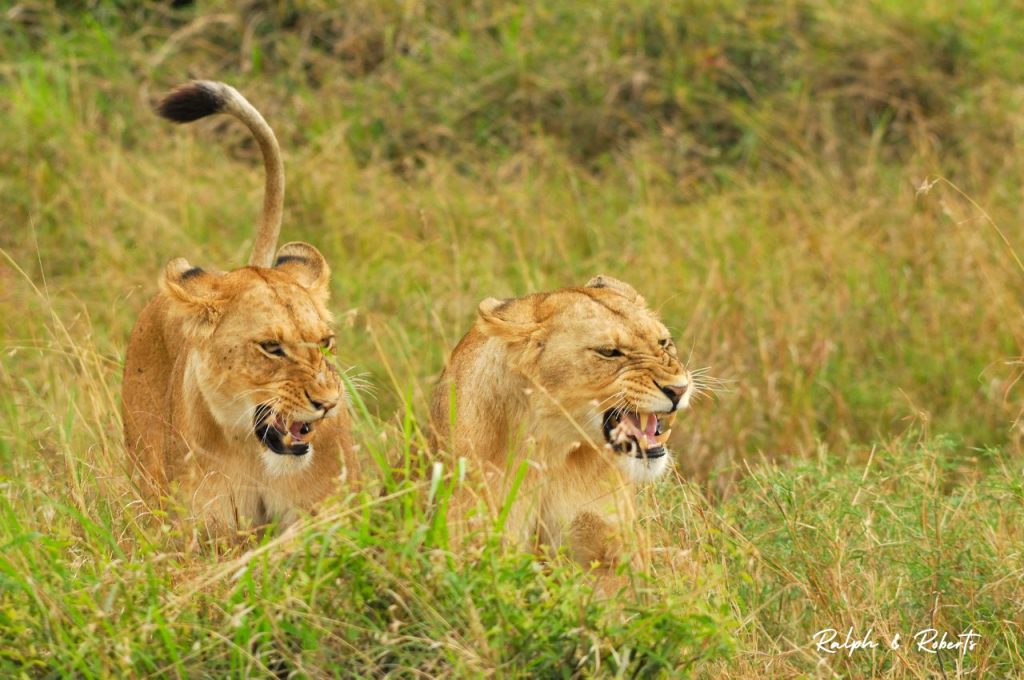
Visitors to Katavi National Park come for one reason:
Discover the best Tanzania safaris, from thrilling wildlife adventures in Serengeti and Ngorongoro to unforgettable cultural experiences and breathtaking landscapes. Explore customized safari packages tailored to your dream African adventure.
Contact
info@ralphandrobert.co.tz
+255 (0) 763 950 191
+255 (0) 781 960 711
Arusha, Tanzania, East Africa